Home, Land, and House: Understanding Your Selections for Acquisition or Rental
Navigating the housing market calls for cautious factor to consider of numerous options. Each option-- homes, land, or homes-- provides distinctive advantages and challenges. Potential property owners have to evaluate variables such as space, maintenance, and personal privacy. On the other hand, tenants may prioritize benefit and lower in advance expenses. Recognizing these characteristics is important for making notified choices. How do individual scenarios affect these selections? The answer might improve one's technique to real estate entirely.
The Advantages of Staying In a Residence
Several individuals find that living in a house offers distinctive benefits over various other kinds of housing. One substantial advantage is the enhanced room that homes commonly provide, permitting even more rooms and better privacy. This added room can fit people or families requiring different areas for leisure, work, or leisure.
In addition, homes commonly come with outside locations, such as gardens or backyards, which can boost top quality of life through chances for horticulture, outdoor tasks, and social events.
In addition, house owners typically have much more liberty to change their living spaces, enabling them to customize their atmosphere according to their choices and preferences.
Living in a residence can foster a sense of community, as neighborhoods frequently help with communications amongst residents, adding to social connections and assistance networks. Overall, the advantages of living in a house deal with varied demands and lifestyles, making it a prominent option for lots of.
Checking out the Advantages of Having Land

Long-Term Investment Possible
The appeal of long-lasting financial investment potential in land ownership copyrights on its capability to value over time, usually outpacing various other property courses. Land is a limited resource, and as populaces expand, the demand for land tends to raise, causing greater values. This makes land a secure financial investment choice, providing a bush against inflation. Additionally, landowners can take advantage of different income streams, such as renting for farming or commercial use, boosting its financial practicality. Unlike other financial investments, land does not drop in worth due to use and tear, using an one-of-a-kind benefit. Moreover, land possession can give significant tax benefits, making it an attractive option for long-lasting wealth building in an ever-evolving market.
Customization and Freedom
Land ownership offers exceptional personalization and flexibility, allowing individuals to form their environment according to personal preferences and visions. Unlike leasing, where limitations typically limit modifications, possessing land makes it possible for individuals to build homes, yards, or recreational spaces that show their distinct designs. This freedom cultivates a sense of belonging and pride, as owners can create their residential or commercial property in time, enhancing both performance and visual appeals. In enhancement, landowners have the freedom to carry out lasting methods, grow landscapes, or introduce functions that reverberate with their worths. This freedom encompasses the capacity to create a legacy, passing down personalized areas to future generations. Inevitably, possession equips people to invest in their dreams, transforming their land into a true representation of self.
Agricultural Opportunities Available
What advantages develop from the farming opportunities readily available to those who own land? Land possession offers individuals with the capability to grow crops, raise livestock, or take part in lasting farming methods. This can bring about boosted food safety and security and potential income generation via the sale of fruit and vegetables. Furthermore, owning agricultural land can offer tax advantages and eligibility for federal government grants aimed at sustaining farmers. It promotes a connection to nature and promotes a healthy way of living with straight involvement in food production. Additionally, landowners might gain from building recognition over time, enhancing their investment. On the whole, agricultural possibilities not only support individual goals yet additionally contribute to area sustainability and ecological stewardship.
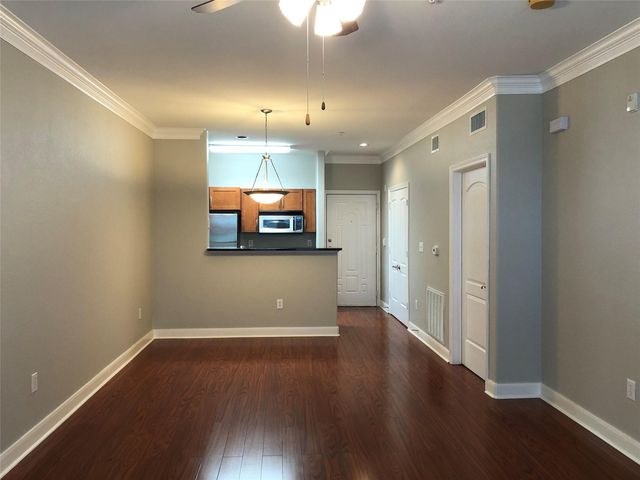
The Convenience of Home Living
Home living supplies a series of benefits that appeal to lots of people and households. With reduced upkeep obligations, citizens can appreciate their room without the worries of extensive maintenance. In addition, accessibility to neighborhood services and the benefits of metropolitan places improve the general way of life experience for house occupants.
Reduced Upkeep Responsibilities
Welcoming the comfort of home living commonly results in a considerable decrease in maintenance duties. Unlike property owners, apartment or condo homeowners commonly do not require to bother with jobs such as lawn care, roof covering fixings, or outside maintenance. Maintenance concerns within the unit are generally resolved by the building monitoring team, providing occupants with comfort and even more time for personal searches. This low-maintenance lifestyle is particularly appealing for active experts or households that choose to concentrate on job and leisure as opposed to home repair services. In addition, numerous apartment or condos are designed with resilient materials that need much less maintenance, additional boosting the appeal of this living arrangement. Eventually, the benefit of very little upkeep makes home living an eye-catching choice for different way of lives.
Neighborhood Amenities Accessibility
Citizens frequently locate that the allure of house living extends past low upkeep duties to consist of a range of area services that enhance their lifestyle. Several apartment facilities supply centers such as swimming pools, physical fitness centers, and communal lounges, fostering a feeling of neighborhood among residents. These facilities promote a balanced way of living by supplying areas for relaxation and social interaction. Furthermore, many apartment or condos include eases like on-site laundry, protected vehicle parking, and pet-friendly areas, which streamline daily regimens. Accessibility to these centers permits residents to enjoy recreational tasks without the need for extensive traveling. Inevitably, the availability of neighborhood features adds substantially to the total contentment and top quality of life for those who pick home living.
Urban Area Perks
Living in a city environment supplies exceptional ease, especially for those that opt for home home. Apartments in cities often give close proximity to public transport, reducing commute times and improving accessibility to work environments and home entertainment places. Citizens take advantage of an abundant tapestry of social tourist attractions, eating alternatives, and shopping experiences just actions from their doorsteps. This urban way of life usually includes facilities such as fitness facilities, swimming pools, and communal rooms that foster neighborhood communication. Furthermore, the upkeep responsibilities are usually reduced in apartment or condos, permitting homeowners even more time to appreciate their environments. With walkable areas and a vivid atmosphere, metropolitan apartment or condo living embodies a lifestyle characterized by efficiency and interaction, making it an appealing option for numerous.
Financial Considerations: Renting Out vs. acquiring
Evaluating the monetary ramifications of getting versus renting out can substantially influence an individual's long-term financial health and wellness. Buying a residential property commonly needs a substantial ahead of time financial investment, including a down payment and closing prices, which can be a barrier for many. However, possessing a home may lead to equity buildup in time, possibly acting as a successful possession. go now On the other hand, renting out typically entails lower initial expenses and offers flexibility, making it appealing for those that favor wheelchair or are unclear regarding their lasting plans. Monthly rental fee payments do not add to ownership, which can be considered as a negative aspect in building wealth. Maintenance expenses and property tax obligations are added factors to consider for homeowners, while occupants usually take advantage of property managers covering these expenditures. Ultimately, the decision rests on private economic scenarios, future plans, and individual choices, underscoring the value of careful economic evaluation prior to making a dedication.
Evaluating Your Way Of Living Needs
Exactly how does one establish one of the most ideal living plan based upon their lifestyle needs? To start, individuals must examine their everyday activities and regimens. Variables such as commuting distance to work, closeness to colleges, and accessibility to entertainment facilities considerably affect living arrangements. For instance, a young professional may focus on city apartments for their convenience, while a household could select suv residences with backyards.
In addition, way of living choices play an essential duty. Some people might value neighborhood interaction and social activities, preferring neighborhoods with lively environments. Others may look for peace, leaning in the direction of quieter locations. Additionally, individual situations, such as having pet dogs or calling for added room for hobbies, additionally form decisions.
Ultimately, assessing way of living needs entails an extensive understanding of both personal preferences and useful demands, guaranteeing that the chosen living arrangement improves one's lifestyle and lines up with their daily experiences.
Making the Right Selection for Your Future
Selecting a suitable living setup not only addresses instant lifestyle requirements yet also establishes the stage for future desires. Individuals must consider their long-term goals, such as profession development, family members planning, and financial stability, when selecting a home. The decision between acquiring a home or leasing an apartment or condo copyrights on different aspects, including individual finances and market conditions. Homeownership can give equity and stability, while renting offers flexibility and lower ahead of time costs.
Place plays a vital function; distance to work, schools, and services can substantially impact daily life and future opportunities. As individuals navigate their choices, they should remain mindful of potential adjustments in scenarios, such as task movings or way of life shifts. Ultimately, making an informed choice entails extensive study, planning, and factor to consider of one's progressing needs, ensuring that the selected living arrangement aligns with both future and existing purposes.
Regularly Asked Inquiries
What Are the Hidden Expenses of Purchasing a Home or Land?
Covert expenses of purchasing home or land consist of closing expenses, home tax obligations, maintenance expenses, insurance policy costs, utility fees, and possible house owner association fees. Purchasers frequently forget these expenditures, affecting overall price and budget plan planning.
Exactly How Do Property Tax Obligations Differ In Between Homes and Apartments?
Residential property taxes typically differ based on the examined value and place. Homes often sustain higher taxes as a result of land value, while homes may have reduced tax obligations, influenced by common ownership and lowered residential or commercial property analyses per system.
Can I Negotiate Lease for a Home?
Yes, negotiating rent for official site a house is possible. Lots of property managers may be open to discussions, specifically if renters demonstrate great monetary standing or offer to sign longer leases, potentially benefiting both events entailed.
What Are the Zoning Rules for Land Purchases?
Zoning laws for land acquisitions vary by location and usually dictate land use, constructing elevations, and thickness. Customers must consult regional zoning boards to ensure compliance and recognize any type of limitations or allowances for their meant use.
Just how Do I Select the Right Location for My Building?
To pick the right place for residential property, one must consider availability, distance to services, neighborhood security, future development strategies, and local market patterns. Evaluating these factors can help guarantee a sound financial investment and top quality living experience.
Each selection-- houses, land, or apartment or condos-- offers unique benefits and challenges. Land is a limited resource, and as populations expand, the demand for land tends to increase, leading to greater values. House living provides an array of conveniences that appeal to many people and households. Locals commonly discover that the appeal of apartment living expands beyond low upkeep obligations to consist of a range of neighborhood services that improve their way of living (House Land Apartment For Sale And Rent In Accra Kumasi East Legon Ghana). Zoning policies for land acquisitions imp source differ by area and generally determine land use, building elevations, and density